
If you are like many of us here in Eastern North Carolina, you are seeing the effects of drought first hand. With water being such valuable resource, doing all that we can to flatten the curve of our water consumption. So creating a sustainable home is just as important for the Earth as it is your wallet.
In recent decades, many companies have made great advances in an effort to promote a more efficient use of water. When we look at toilets for example, older toilets would use as much as seven gallons of water per flush. With the high-efficiency toilets of today, we are seeing a significant reduction of water per flush, along the range of 1.28 gallons. With the EPA’s creation of the Watersense Program, their focus has been shown to have saved an upwards of 2.7 trillion gallons of water since 2007. This has been done by certifying a wide range of sinks, faucets, toilets and other water-saving fixtures for home use.
Though with all these advancements made, 30 percent of all water used by families is for outdoor usage. One might think pools and fun summer activities would be the reason for this, but in our area it is undoubtedly the irrigate of lawns and gardens. So, finding a way to reduce water consumption is a leap in the right direction.
The Bigger Picture of Lawn and Garden Irrigation
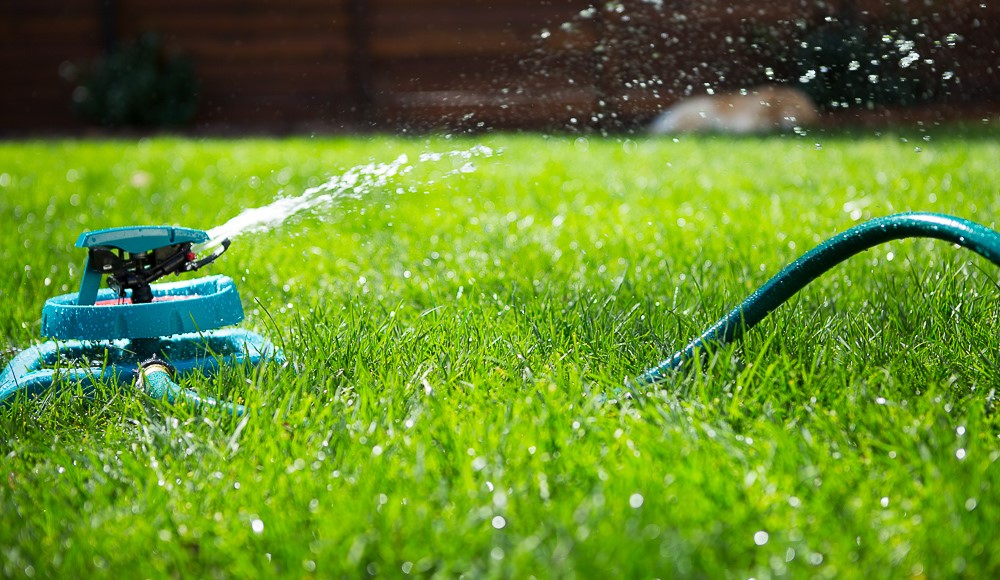
When it comes to outdoor water used, over half is uses to irrigate lawns and gardens. Estimates of up to 50 percent of the water used, however is wasted to inefficient and/or outdated watering techniques. An example of this is if you were to water your lawn during the middle of the afternoon, while the sun is at its hottest point of the day. This would lead to the water evaporating before it could make it to the root zone of the plant.
Hot and arid areas of the U.S., much like the Southwest, have been shown to dedicate upwards of 80 percent of water use to irrigating solely lawns during summer months. An area of 1,000 square feet of lawn would use around 300 gallons of water, just to deliver a half-inch of water to a lawn. With that said, it is obvious as to why a 2014 government report found that 40 of the 50 states in the U.S. will face severe water shortages. Just so we are both tracking, that is now.
Making The Swithch to Drip Irrigation
So what is the alternative? Do we just sit back and watch our gardens die away? Thankfully no. There are many greener ways of watering your garden beds and even lawn. One of those ways is through the means of drip irrigation.
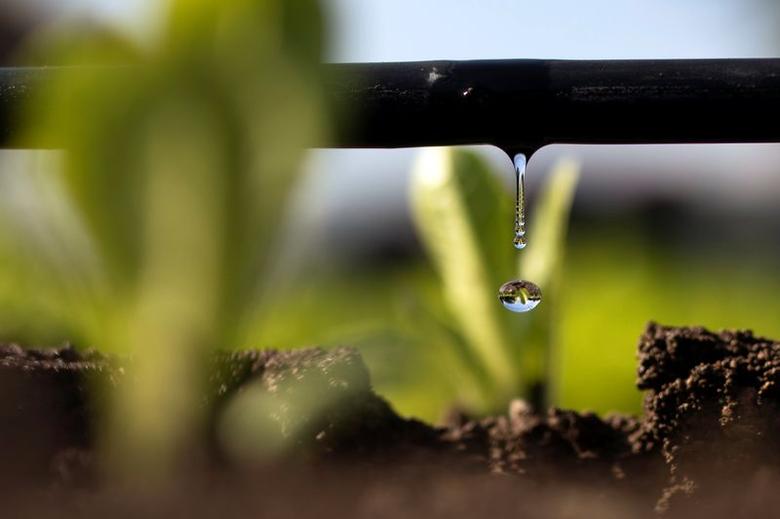
Drip irrigation delivers small amounts of water to the plant’s root zone. By providing the water a this precise area, it allows for a vastly more efficient means of plant watering. Through a system of lines and emmiters, drip irrigation delivers water drip by drip redusing the ammount of water needed to achieve optimal plant growth.
Drip irrigation systems can reduce water consumption by up to 70 percent compared to your standard overhead water sprinkler. Economically, drip irrigation can keep money in our wallet as well. A small are such as say 75 x 100 -foot lawn will cost on average around $50 each month water with overhead sprinkler systems. With drip irrigation systems, that number can be as low as $25 each month.
Where and How To Purchase Drip Irrigation Systems
A quick Google search whil result in a magnitude of drip irrigation system options. With a simple measurement of your lawn or garden, you can easily see just how large or small of a system you may need. I would suggest purchasing from a store that specializes in drip irrigation such as: Drip Depot, Berry Hill Irrigation, or Rain Bird Drip Irrigation. All listed provide everything you will need to plan, start, and finish your future drip irrigation system.
The Bottom Line
Really what is comes down to is everyone doing all that they can to conserve our precious natural resources. Life can not go on without water. Making small tweaks to our methods of growing our plants may take a small initial investment, but will pay off hand over fist in the grand side of thing. Lets start a revolution of green growing practices and remember, life’s a garden… dig it!
 Life's A Garden, Dig it!
Leave a comment